 aNewSpring
Designing a Scalable Feature Validation Framework
Implementing a data-driven Design Ops strategy that resulted in a 15% usability lift and eliminated early-stage adoption barriers.
Project Overview
Context
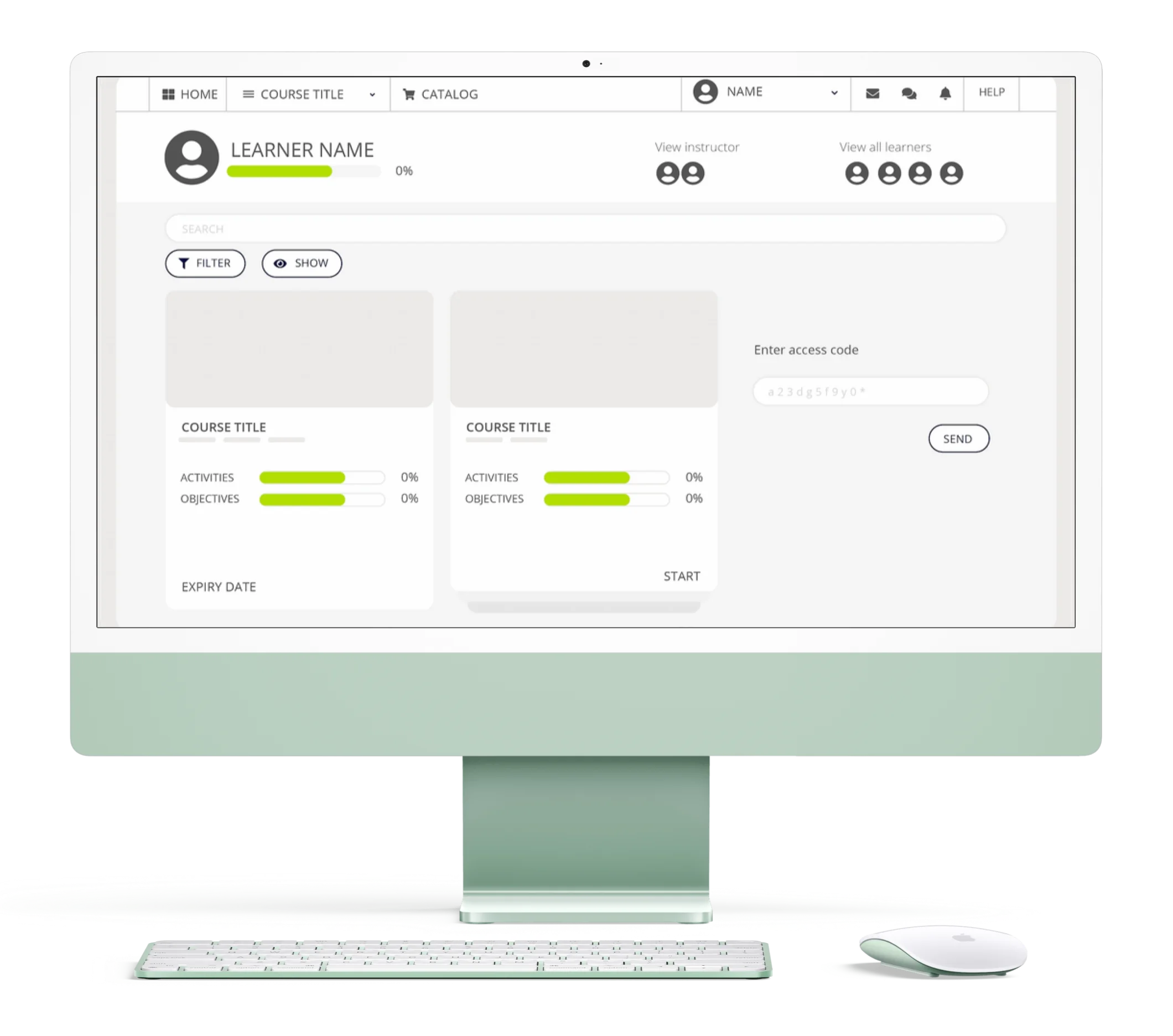
aNewSpring is a technology platform for online training that helps people study and learn more quickly and efficiently.
This project emerged as an OKR in the design team with the aim of evaluating the effectiveness and performance of the features developed by the tech team.
The goal was to analyze the design process within the company's context, identify opportunities for improvement and establish strategic moments for research, testing and validation of new features.
Challenge
 Design Process Mapping
Identification of flaws and opportunities for improvement in the internal process.
 New Validation Process
Implementation of integrated processes and documentation to track features.
 Increase Data Collecting
Ensure improvement results on the platform through all this data.
Solution
An overview of the main solutions and implementations carried out in this project:

New Process

Documentation
Feedback Data

Strong Learnings

Fast Corrections
Platform Improvement
Impacts
Usability of the feature increased by 15% following the implementation of the Validation Process.
This substantial improvement stands in stark contrast to the low utilization we experienced after initially implementing the new validation process.
My role
 Mapping Out
Understanding of the current design process followed by the design team, such as identifying gaps and opportunities.
- Methods Definition
Research and definition of the most important metrics and methodologies to be used in the validation process.
 Tracking Overview
Define and implement all the steps into the current design process in order to track the feature to get all the important data.
 Documentation
Created a document to organise the whole validation process, including strategic definition, metrics, results and action plan.
Project Details
Process Mapping
The beginning of this project took place with a detailed understanding of the team's entire design process - from receiving a new task, to the release of the feature already in operation. To achieve this, it was necessary to use different approaches:
- Observation
Understand how the team has carried out tasks.
- Research
Study of current processes implemented.
- Feedback
Collecting feedback and insights from forms.
Current Workflow
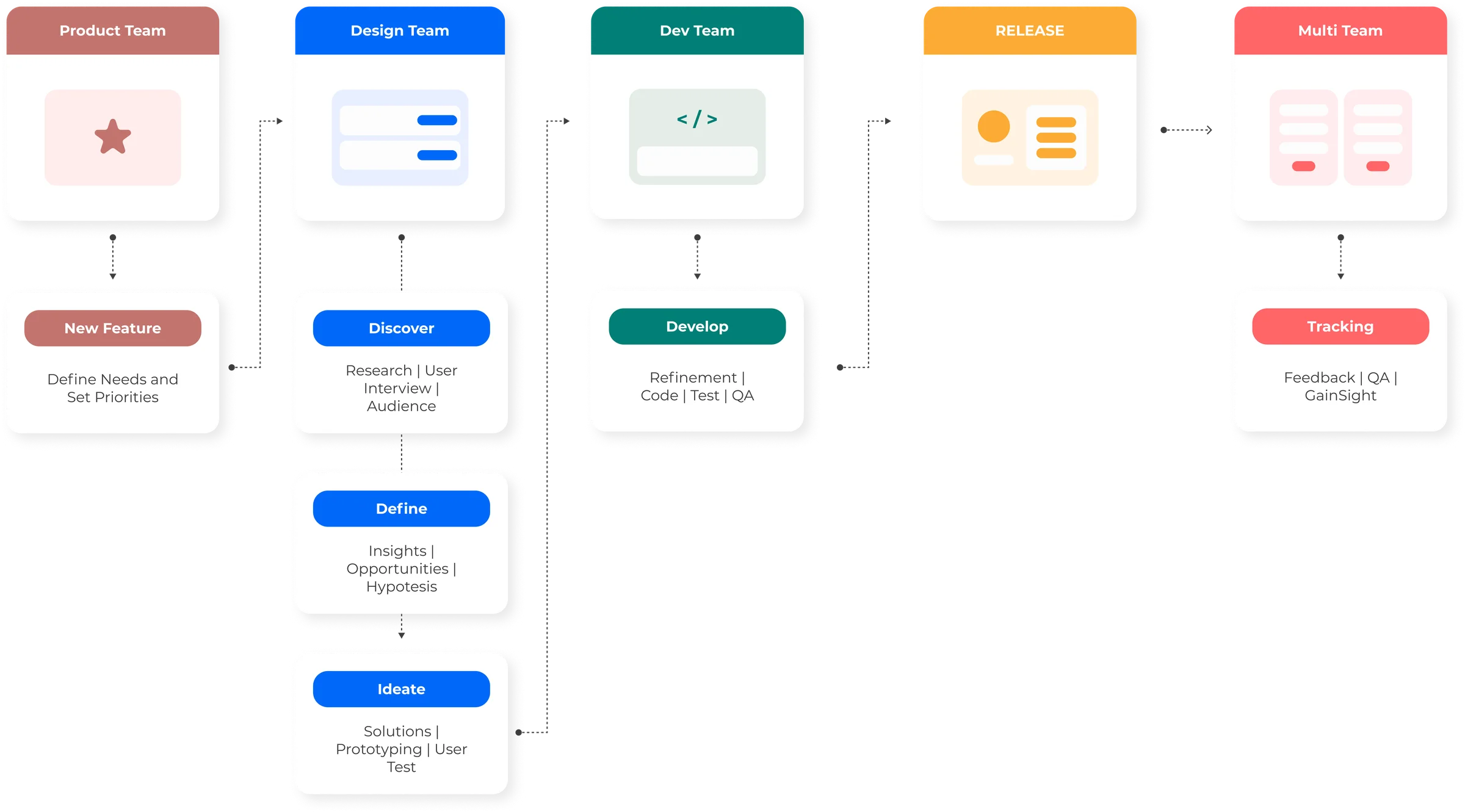
Building a detailed organization chart provided a comprehensive view of the routines and steps followed by the design team.
The initial objective was to analyze the current scenario, identifying possible flaws and areas for improvement in the process. Below is a simplified view:
Pain Points
This first step helped identify what was or wasn't working in the design team's current validation process.
- Methodologies
Lack of refined processes to validate different features.
- Tracking
Tracking the operation and usability of features.
- Documentation
Lack of a document that centralizes feature objectives and goals.
Methodologies
Now that the first visualization of the team's processes was completed and the pain points were identified, I did extensive research into the validation methodologies used by other teams and companies, always prioritizing being aligned with the user experience.
The selection of appropriate methodologies was organized according to the different moments and needs of the process.
Development
During development, rigorous validation methodologies like usability testing and prototyping ensure product quality and user experience alignment before release.
- User Interview
- Current & New
- Personas
- Main Audiences
- Forms
- Quali & Quanti
- Stakeholders
- What they want/need?
- Goals & Outcomes
- Clear Definition
- Success Criteria
- What we are aiming?
- Results Analyses
- Dive into all results
- AB & Internal Test
- Test different approaches
- Technical Goals
- How the feature must work
- User Test
- Clear insights from users
- Wireframing
- How it looks
Release
Validation methodologies at the release stage focus on ensuring that the product is ready for deployment and meets all specified criteria.
- Adoption
- Percentage of users
- QA Assurance
- Test, adjust & test
- Onboarding
- Guide the user
- Tracking
- Track the feature
- Retention
- Users keep coming back
- User Feedback
- Get their opinions
New Processes
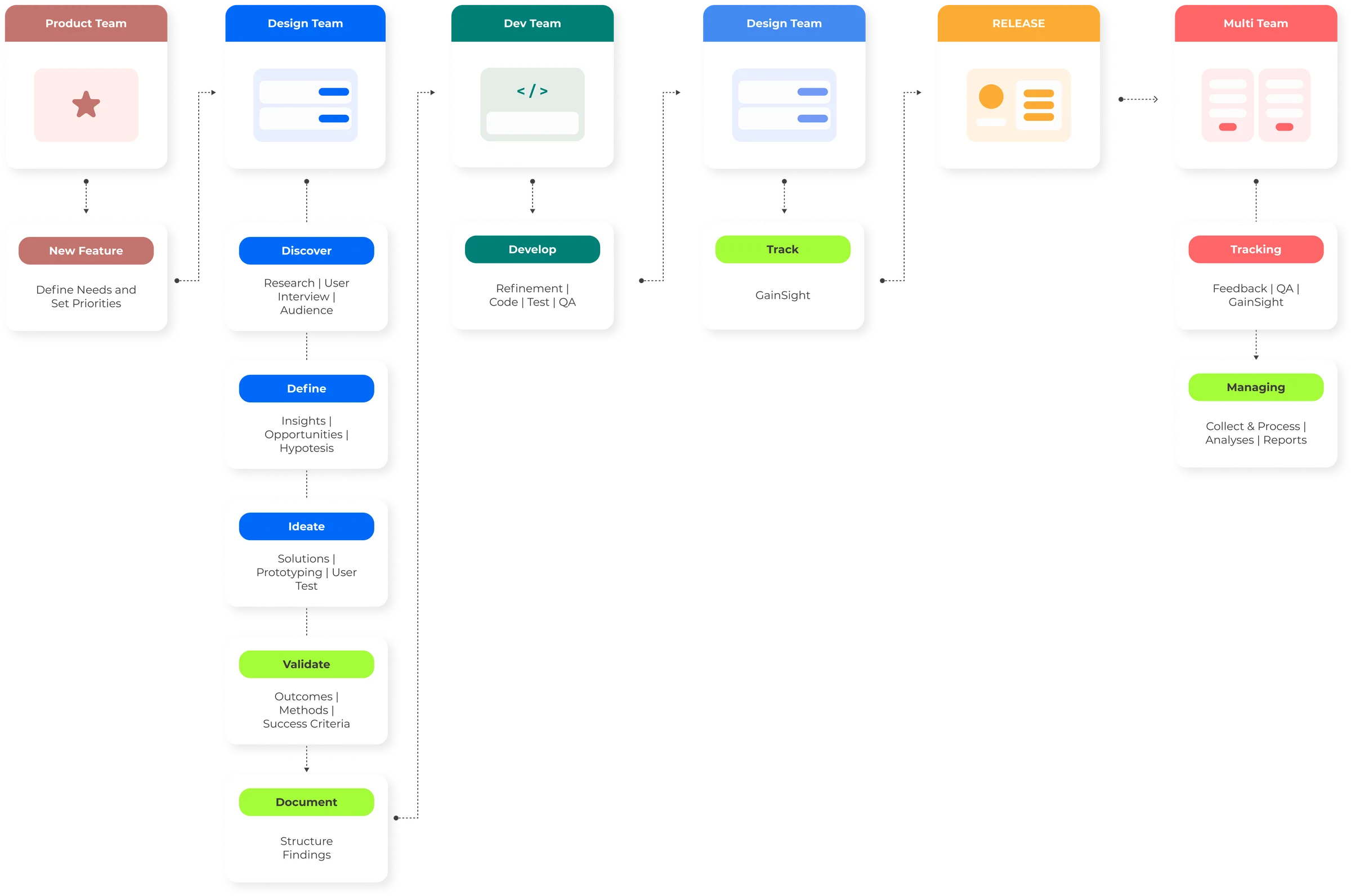
Once the gaps were identified, a new flow was created highlighting steps to optimize and track each new feature from inception to launch, with a special focus on post-launch adjustments to provide a more complete experience for users.
The proposal was analyzed by the team and management with the intention of only keeping what was most important and valuable for the final process.
New Work Flow
Three new stages were included in the validation process, each designed and structured to address the key validation needs according to the company's reality. We will look at each of them below.
1. Validation Plan
At this stage, we seek to identify the target audience, understand their needs and expectations, and delve deeper into the business objectives, aiming to understand the most significant results.
During the development of the functionality, we adopted methodologies that provide detailed guidance on its operability and usability.
The data collected at this stage is then integrated to map the most crucial definitions of functionality, considering both the end user's needs and the company's objectives.
This robust process ensures that functionality is designed and implemented in line with established expectations and goals.
OutcomesDefine all the expected results
- Business
- Expected impacts
- Product
- Expected usability
- Stakeholders
- Expected results
Success CriteriaChoose the best tools to evaluate
- Engagement
- - User Interaction - Time of usage - Interactions - Sessions per user
- Satisfaction
- - User feedback - Surveys - NPS & CSAT scores - Reviews
- Retention
- - Follow up - Performance - Applications
MethodologyDefine how to validate
- GainSight
- Track the feature and get data to measure progress
- Surveys
- Ask users to measure effectiveness
- Satisfaction
- Rate user happiness
DocumentationOrganise findings and strategies
- Audience
- Who will use the feature?
- Problem
- What the audience needs?
- Solution
- How to solve the problem?
- Outcomes
- What is expected?
- Objectives
- The top priorities
- Methodology
- How to validate?
- Conclusions
- Findings & Next steps
2. Tracking Plan
Before launching the functionality, it is essential to carry out a round of tracking to refine the delivery and ensure that all elements are operating optimally, aligned with the initial strategy.
This process not only improves the quality of functionality, but also ensures a more robust and effective experience for users, reinforcing our commitment to excellence and customer satisfaction.
GainSightSetup the tracking tool to get data
- Dashboard
- Reports and widgets
- Audience
- User profiles
- Accounts
- All user details
- Analytics
- Feature performance
- Engagement
- User interaction
- Onboarding
- Guide your audience
- Product Mapper
- Feature Tree Structure
- Segments
- Every user click
3. Managing Plan
The availability of functionality to users marks the beginning of a continuous process.
It is essential to regularly analyze tracking results, collect feedback through interactive sessions, user testing and reviews.
If the results do not meet established expectations, we develop an action plan for necessary adjustments, thus restarting the cycle of continuous improvement.
This iterative approach ensures we are always aligned with user needs and delivers an improved experience over time.
Process DataAnalyse all data
- Gainsight
- Interview
- Feedback
- QA & Tests
Action PlanNext Steps
- Document
- Report
- User Test
- Survey
Testing the New Validation Plan
With the plan set, we chose one of the platform's features to implement and evaluate the performance of each of the new stages in the feature validation process.
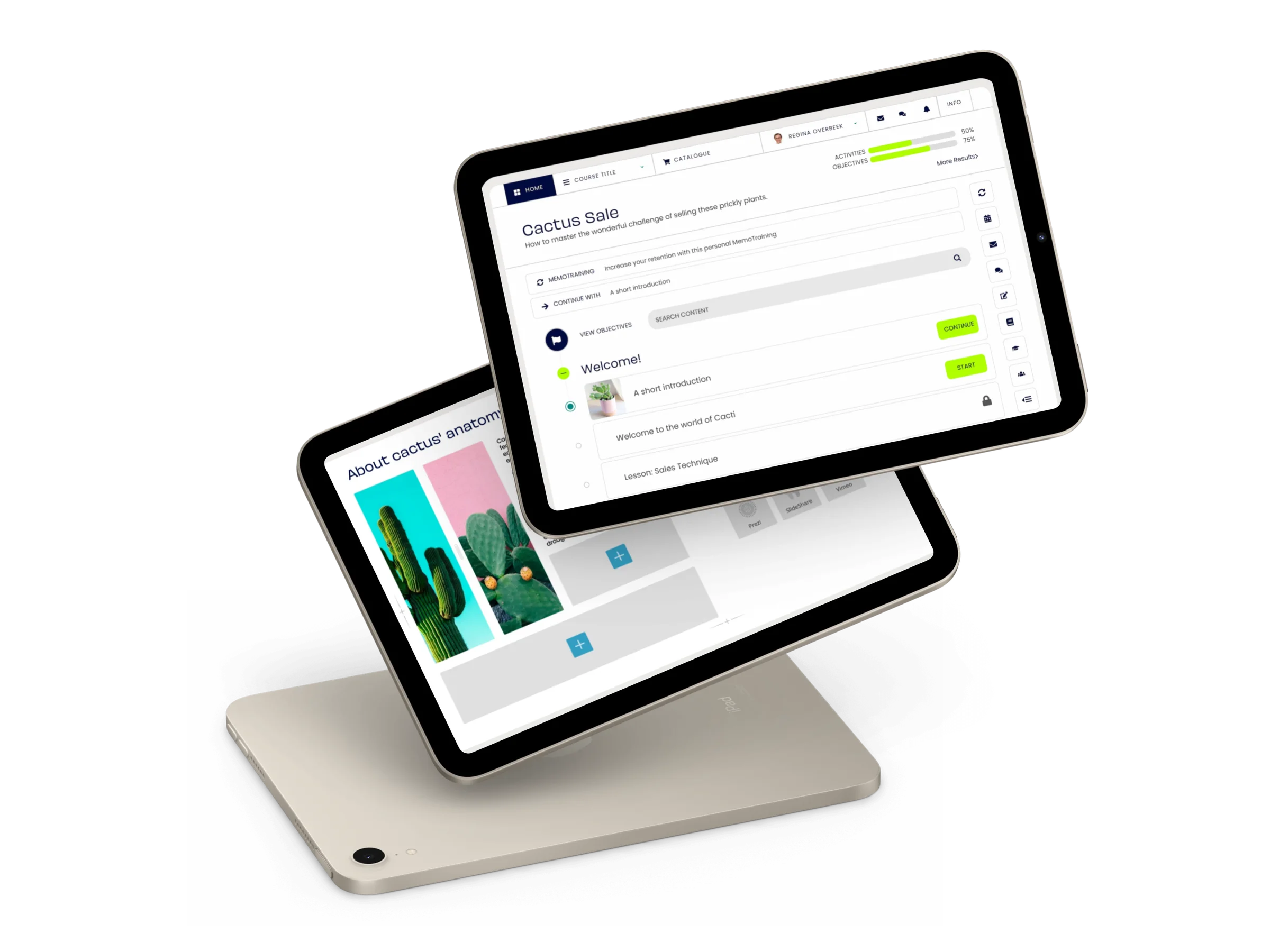
Below is an overview of the most relevant points found during the test:
- The Feature
The feature tested was the platform's Bundle Courses function, which consolidates multiple courses into a single location, allowing for more comprehensive management of the entire teaching cycle.
- Background
An update was implemented on the Bundle Courses management page to enable mass actions, such as moving large groups of students from one course to another and organizing them separately.
- Pain Points
- Feedback continued to report the same difficulties as before the update.
- Despite being active, many customers did not notice the update and continued to use the feature inefficiently.
- Solution
Based on the data collected, we implemented an onboarding process that explained the feature update in greater detail.
- Results
Within just 30 days, according to usability tracking data, we observed a 15% increase in the usage of the updated feature.
Impacts
The validation of the new process was applied to the development of the latest platform feature for the Design Team, uncovering valuable insights to boost user engagement.
This process has been integrated into the team workflow, and now every new feature must undergo these steps.
This way, we ensure that everything delivered to the consumer is always aligned with their expectations for usability and efficiency.
Early Understanding
Getting a clear vision of what is being validated and the expected outcomes of the feature is crucial from the start of the project to minimize usability issues on the platform.
Guiding Structure
The structure of the documentation was essential, guiding the process from the beginning. The flowchart provided a comprehensive understanding, identifying gaps.
Validation Methods
With different validation approaches, the team could choose the methodologies that best suited the reality and needs of each project.
Documentation
The documentation increased the visibility of the work, supporting development and providing crucial insights for the entire company.

Hello, I am
Kaio Parmeggiani
With over 10 years of experience across Product Design, UX Research and Strategic Planning, I specialize in translating complex problems into intuitive and scalable digital experiences.
I work end-to-end across discovery, interaction design and design systems, collaborating closely with product managers and engineering teams to deliver meaningful product outcomes.
Lets Talk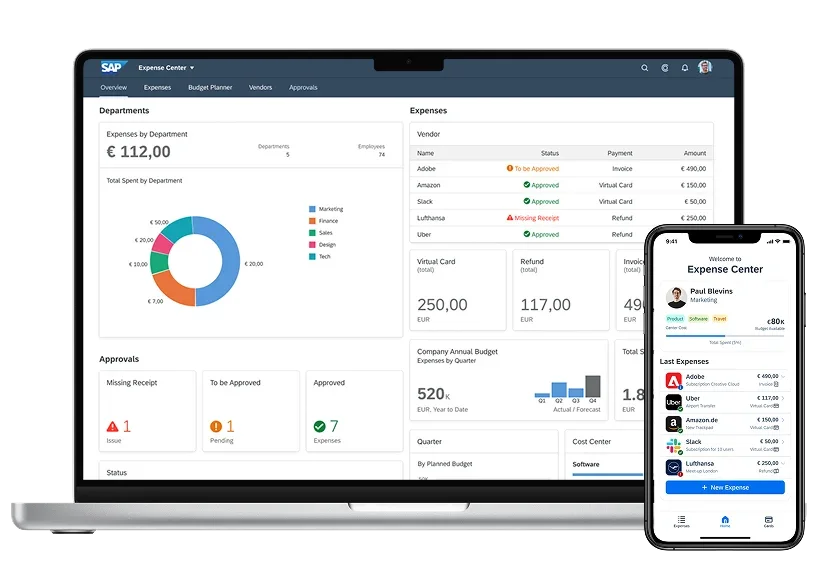

Digitalizing Corporate Financial Operations for Enterprise Scale
Redesigning ad-hoc expense management through an integrated multi-platform ecosystem focused on automation, compliance, and operational efficiency.
Read the Case Study